
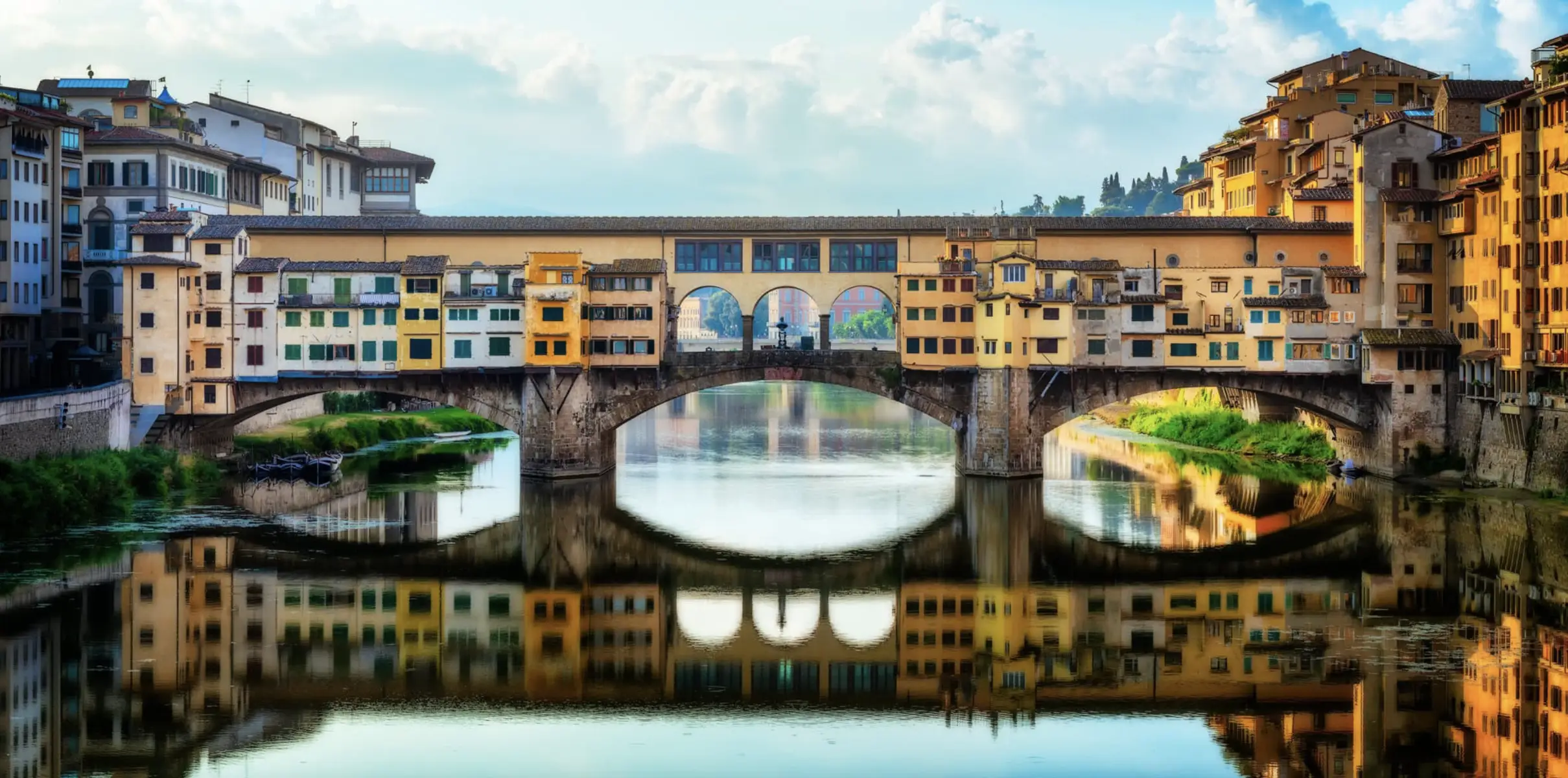

Relocating to a new country is an exhilarating journey, and choosing Florence as your family’s new home offers a truly unparalleled lifestyle. As you plan your transition, the International School of Florence is here to support you every step of the way, providing the practical resources and community networks necessary to help your family settle smoothly into the rhythm of Italian life.
Why Florence for International Families
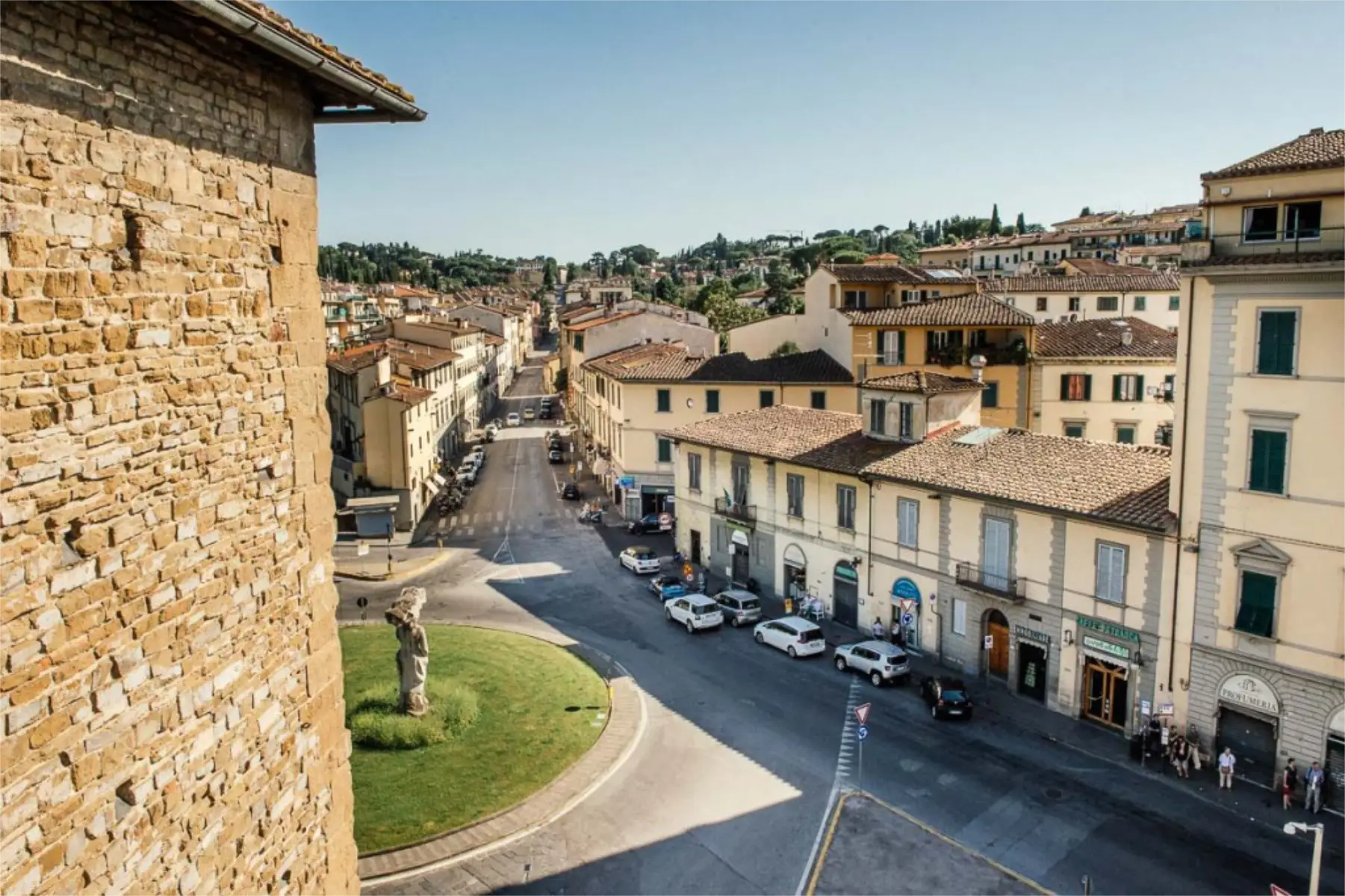
Florence is globally celebrated for its breathtaking Renaissance heritage, but for the families who live here, it is a highly livable, safe, and dynamic modern metropolis. The city offers an exceptional quality of life, balancing a slower, family-centric pace with world-class cultural experiences, verdant landscapes, and an incredibly warm, welcoming environment.
Crucially for incoming expats, Florence hosts a robust, well-established English-speaking community. This active international presence makes it easy for both parents and children to build meaningful friendships, discover shared hobbies, and find English-language services right from day one.


Best Neighborhoods Near ISF Campuses
When choosing where to live, families generally weigh the rustic charm of the Tuscan countryside against the vibrant, walkable energy of the city center. Several neighborhoods stand out for their accessibility to our Junior and Upper School campuses:
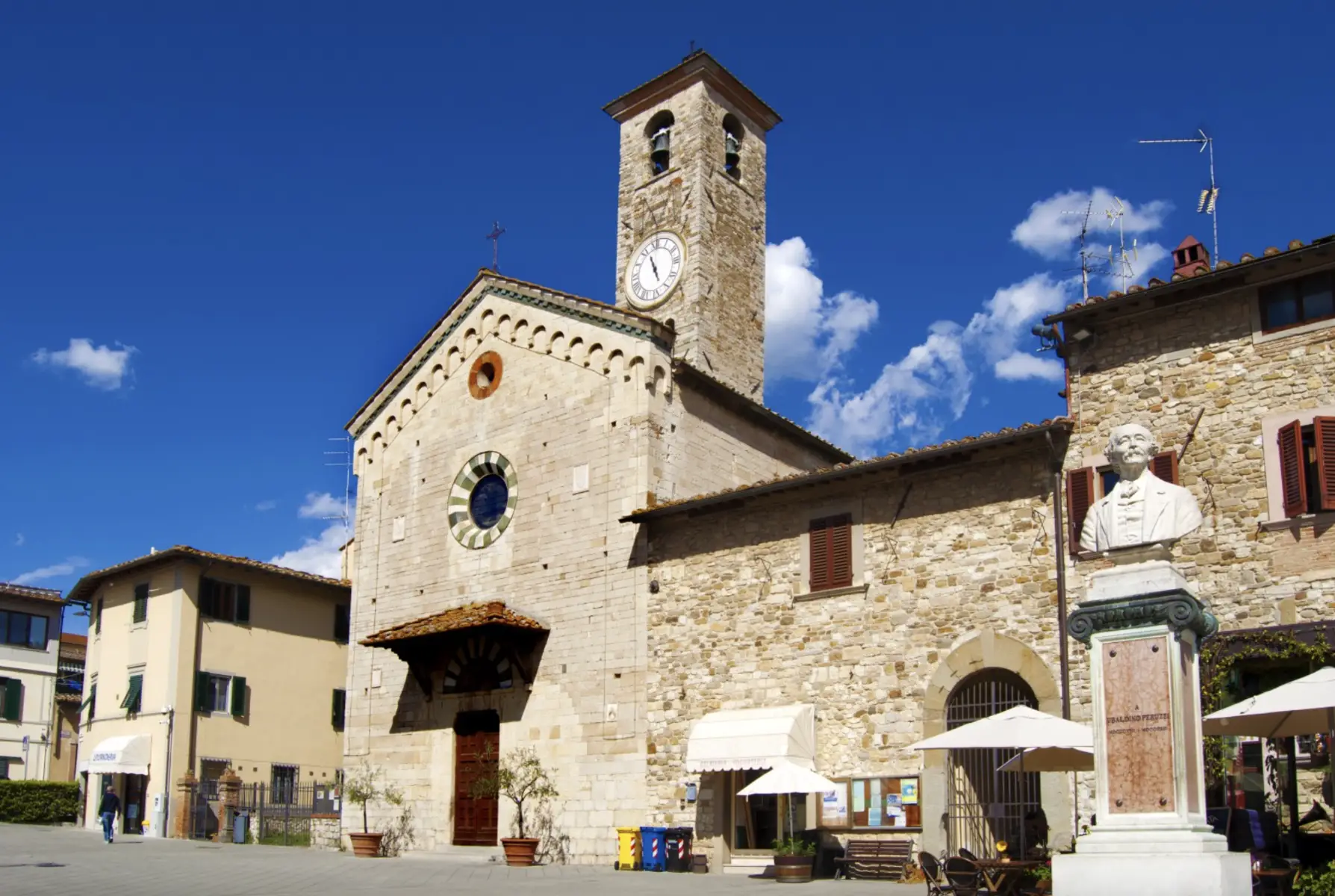
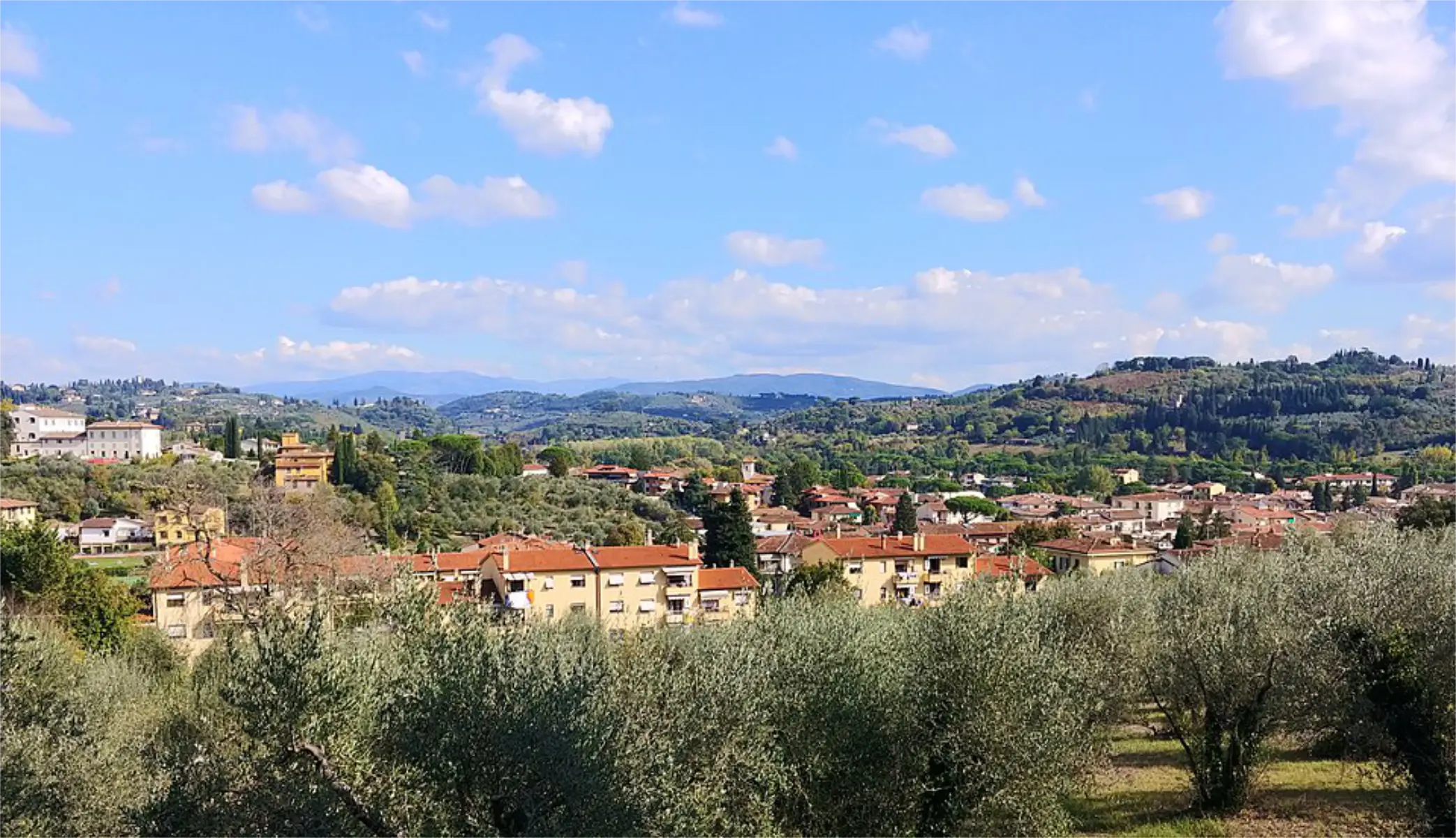
- Bagno a Ripoli: a peaceful, green suburban area located directly to the east of the city center. It offers spacious homes, private gardens, and is the ideal location for families with children attending our Junior School campus.
- Galluzzo: situated to the south, this quiet, residential neighborhood provides a small-town community feel while remaining exceptionally close to major transport links.
- Gavinana: a highly popular, family-friendly urban neighborhood offering a wealth of public parks, local markets, and supermarkets, with very easy commuting routes to both school campuses.
- Oltrarno (Santo Spirito & San Frediano): located just across the Arno River, this historic area is perfect for families wanting a hip, authentic Florentine experience packed with artisan workshops, cafes, and local schools.
- Porta Romana: a prestigious residential zone near the Boboli Gardens that blends elegant architecture with seamless, direct access to our Upper School campus at Villa Torri di Gattaia.
Cost of Living in Florence
While Florence is a premier European destination, the day-to-day cost of living remains highly manageable compared to major global hubs like London or New York.
- Housing & rent: monthly rent varies significantly by area. A standard family-sized apartment in the city center or an elegant villa in Bagno a Ripoli typically ranges from €1,500 to €5,000+ per month, depending on size and amenities.
- Daily expenses: groceries, local dining, and utilities (electricity, gas, high-speed internet) are reasonably priced. Sourcing fresh produce from neighborhood markets like Sant’Ambrogio is both a cultural delight and a budget-friendly option.
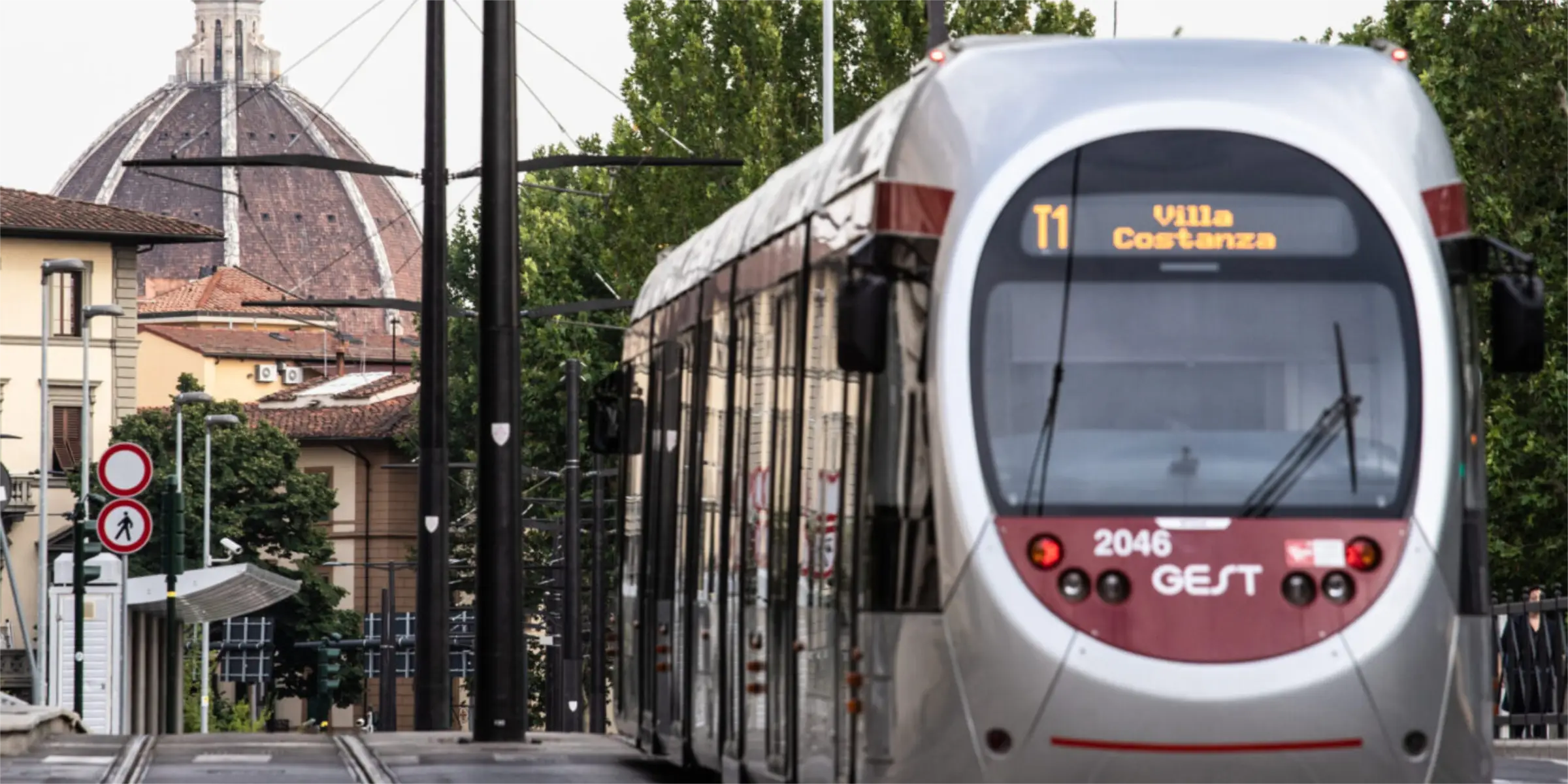
- Transport: Florence is an intensely walkable city. Monthly public transport passes for buses and trams are highly affordable, meaning most central families choose to live entirely without a personal car.
Healthcare for US and International Families: How it Works
Italy consistently ranks among the top countries globally for healthcare quality. International families have access to two parallel medical systems:
- Public System (SSN): registered residents can enroll in the Servizio Sanitario Nazionale (SSN), which provides free or highly subsidized medical care, access to public hospitals, and the assignment of a local family doctor or pediatrician.
- Private Insurance: many international and US families maintain private global health insurance policies. This allows them to bypass wait times and secure direct access to private clinics and bilingual medical specialists.
- English-Speaking Pediatricians: Florence features an excellent network of highly qualified, English-speaking pediatricians and family doctors who specialize in treating expat children and coordinating with international health records.
Italian Bureaucracy: What to Know
Basics Navigating Italian administrative paperwork requires patience and early preparation. To legally settle your family and register your children for school or healthcare, you will need to secure a few foundational documents:
- Codice Fiscale: this unique tax identification code is the single most important document in Italy. You will need it to sign a lease, open a bank account, buy a SIM card, or register for utilities.
- Residency permit (Permesso di Soggiorno): essential for non-EU/US citizens. This must be applied for within 8 days of your arrival in Italy through the local post office.
- Family Registration: parents must bring certified, translated, and apostilled copies of birth certificates and marriage certificates to successfully register their children with local town halls (Comune).
Expat Community in Florence
You are never alone on this journey. Connecting with existing expat networks is the fastest way to get settled, exchange practical advice, and find your footing in the city. We highly recommend exploring these dedicated community hubs:
- Expats in Florence – An active Q&A forum for housing, neighborhood recommendations, and family logistics.
- Expats living in Italy – This group is for Expats/foreigners living in Italy and those looking to relocate.
- ISF Parent Association Community – Our school’s internal network, perfect for connecting directly with current ISF parents, organizing playdates, and volunteering.
- The Florentine – English speaking magazine the most famous and widely read English-language news magazine in Florence, Italy.
